
Expedition Cruising: Your Questions Answered
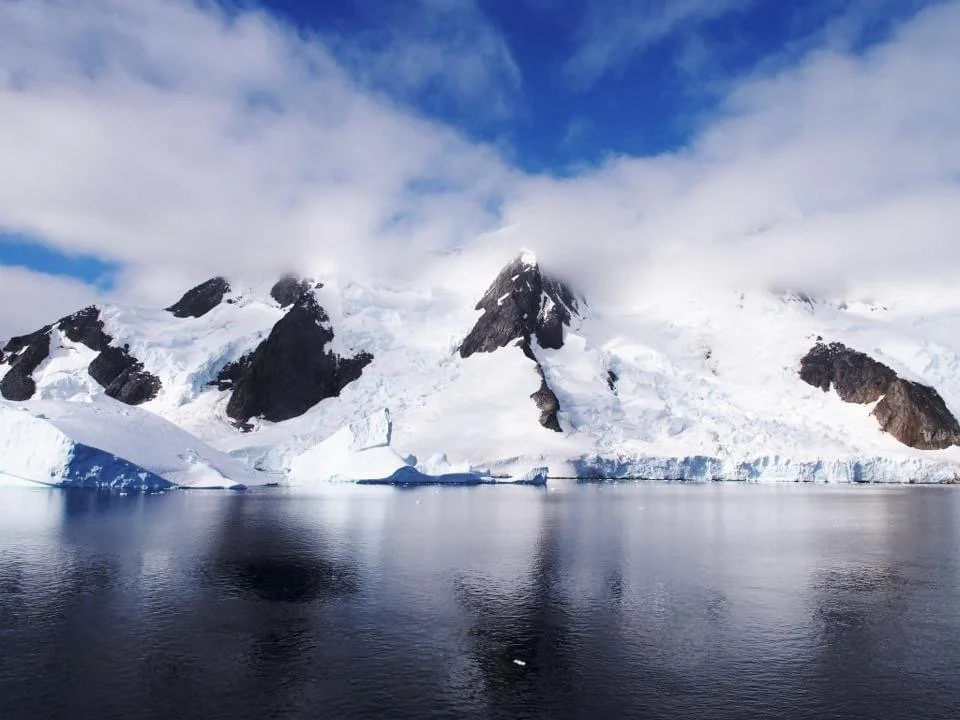
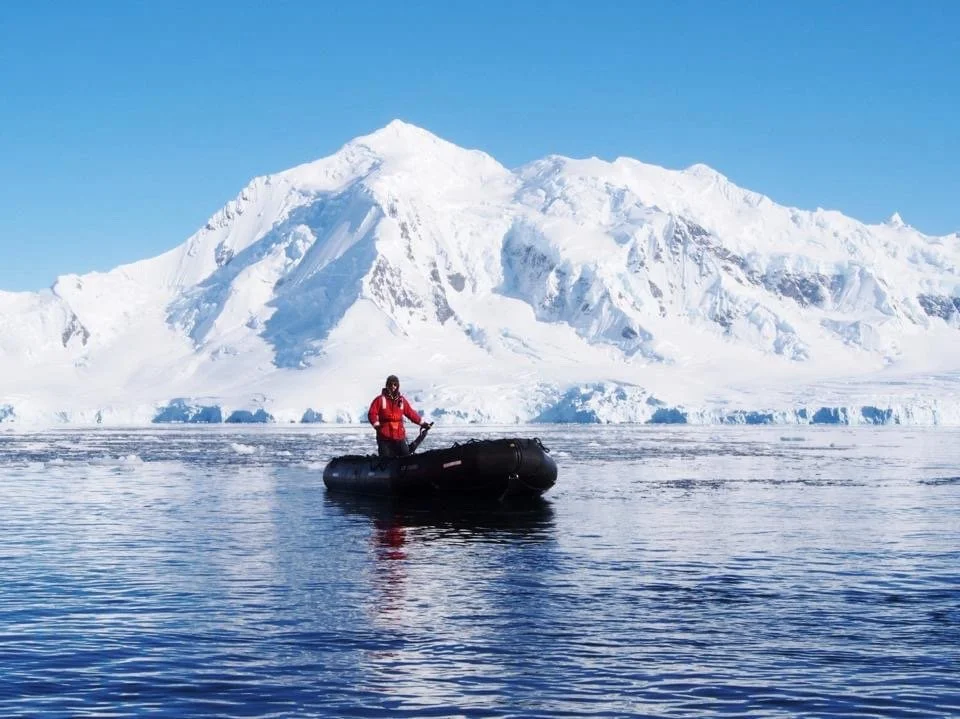
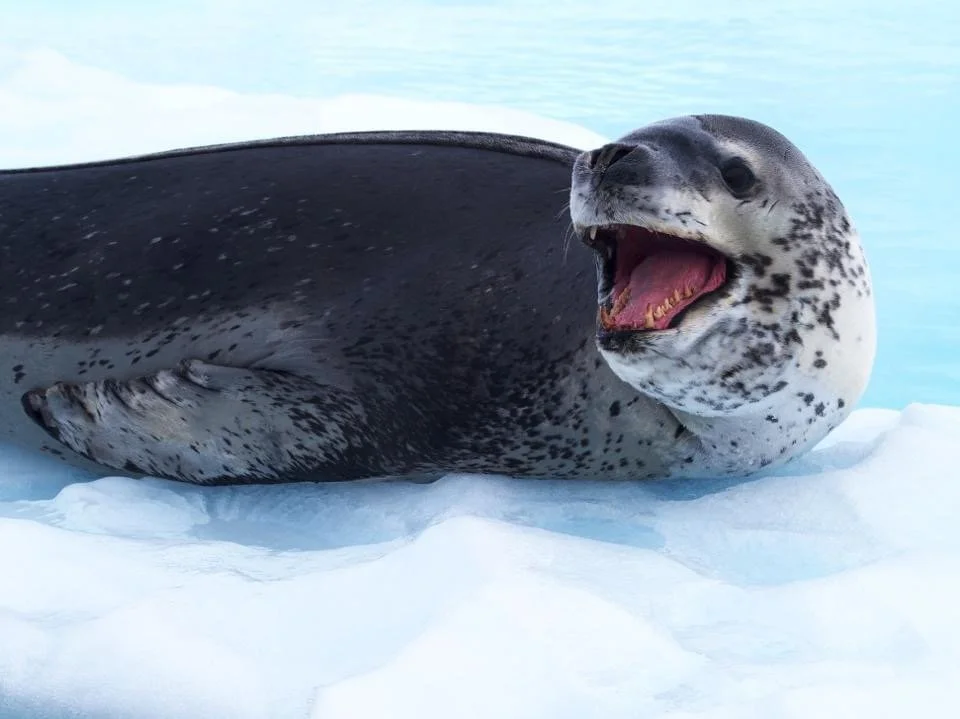
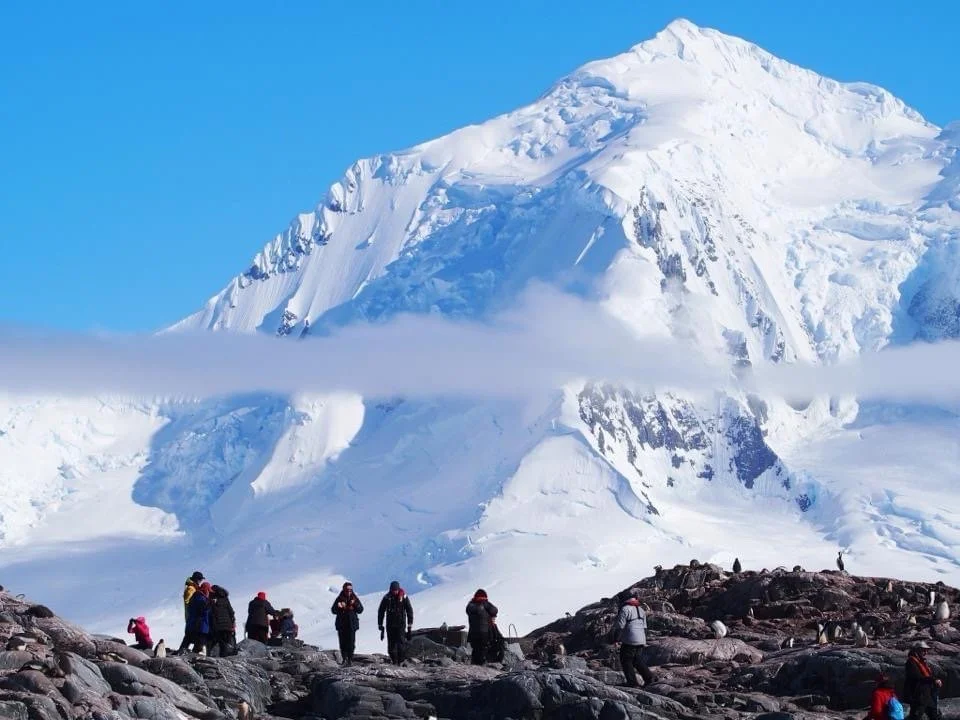
Antarctica - beautiful blue skies in February.
Expedition cruising is the part of travel I get asked about most, and the questions are almost always the same. Is it like a regular cruise? Do I need to be fit? Will I be seasick? (Fair question, especially if Drake Passage is on the cards.) Am I too old for this, or too young? Neither, as it turns out. Expedition ships attract a wide age range, from young couples and families through to travellers well into their 70s and 80s, all sharing the same Zodiac.
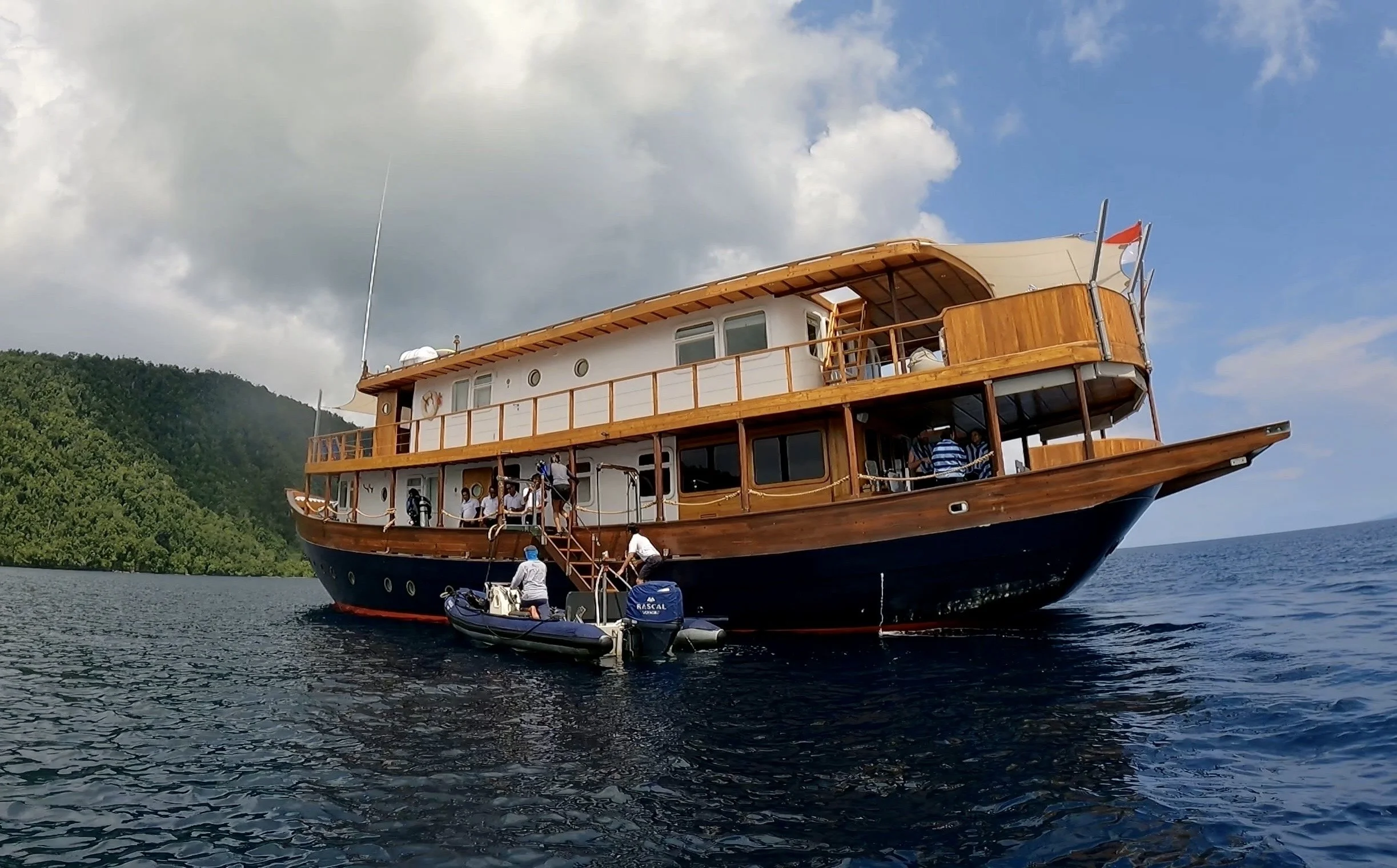
I've spent time in the expedition cruise sector, and I've sailed with G Adventures in Antarctica, Albatross in the Arctic, Rascal Voyages in Raja Ampat, Pearl Expeditions in the Kimberley, Intrepid in the Galapagos, and Aqua Expeditions in the Amazon. Next month I'm heading south with Quark. So these answers come from what I've seen, not a brochure!
What is expedition cruising?
It’s a cruise where the destination leads and the ship follows. Think Antarctica, the Kimberley, the Arctic, the Galapagos. The climate swings just as wide, from tropical heat in Raja Ampat and the Amazon to the polar regions, where you’re layering up in sub-zero temperatures. Itineraries stay flexible, so the captain and expedition leader can chase good weather, wildlife and access. The ship is the way in, not the main event.
How is it different from a traditional cruise?
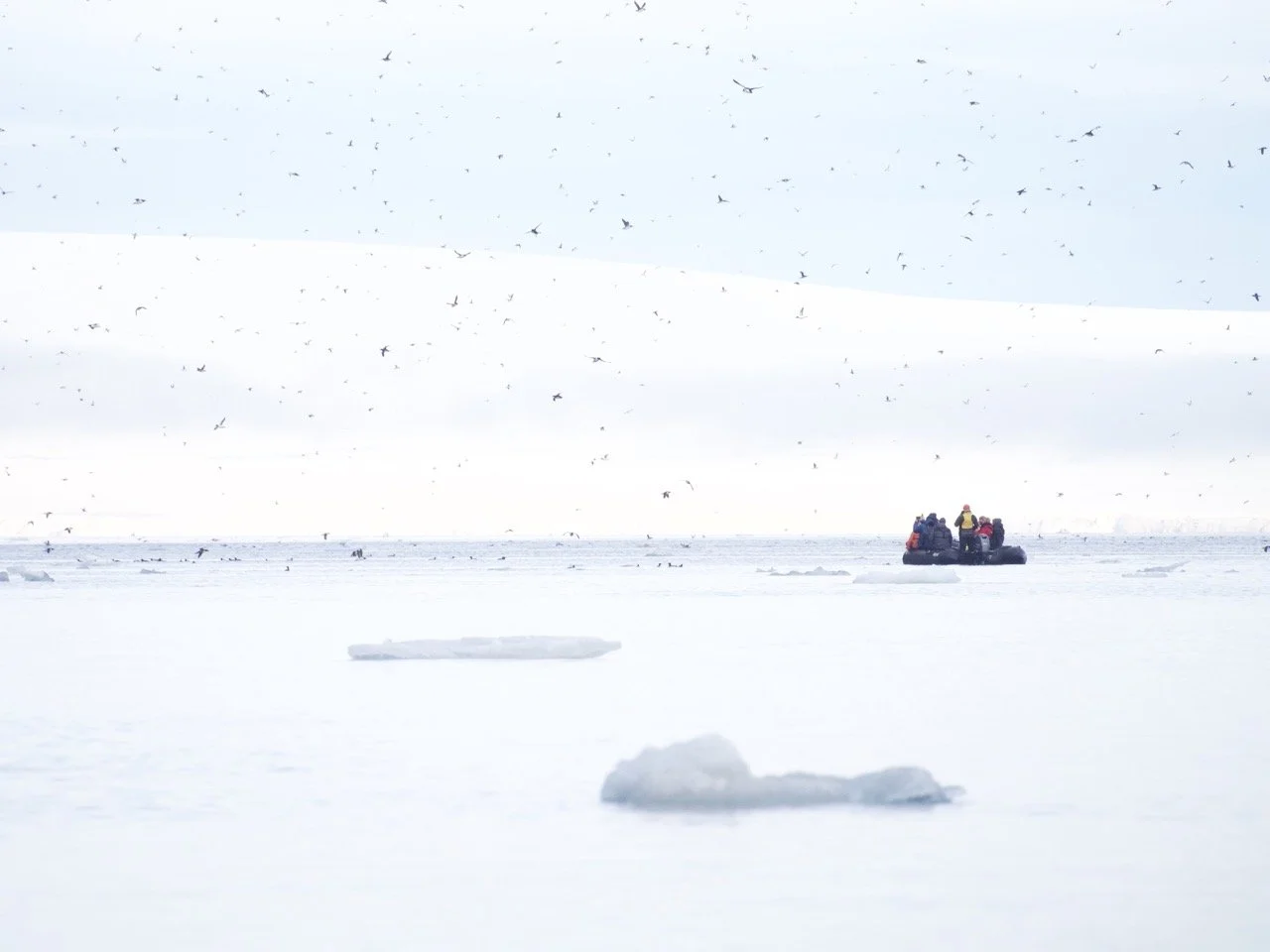
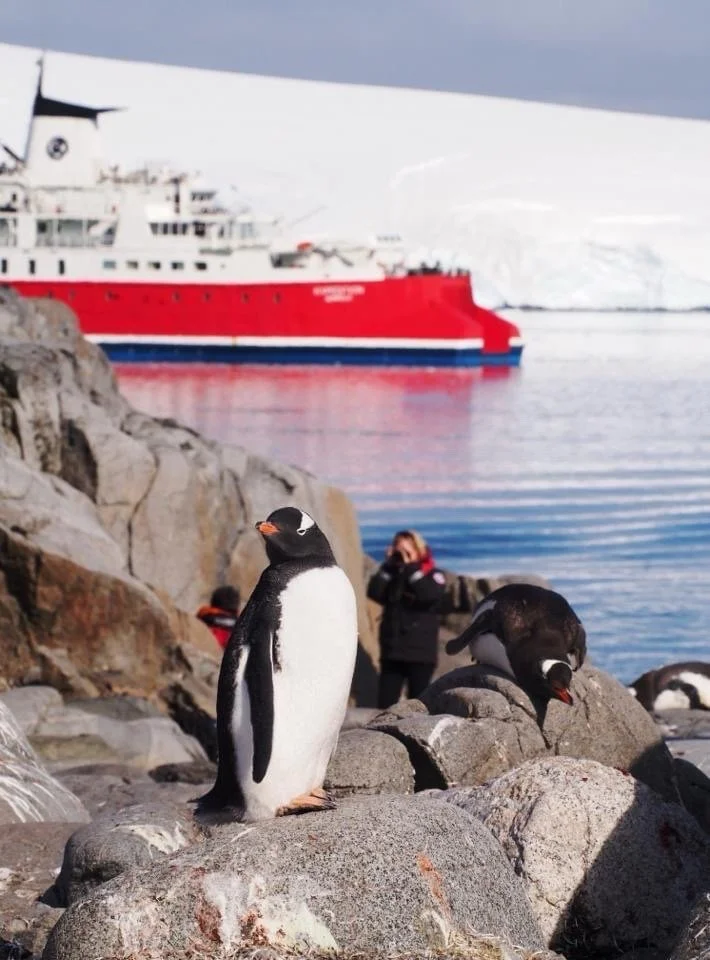
Quite a bit. Ships are smaller, so you're anchoring in places the big ones can't reach. There's no casino, no towering atrium and no cabaret. Instead you get daily briefings, guest lectures from scientists and naturalists, and landings by Zodiac (an inflatable boat) or on foot.
Days are built around the place, not the buffet. Honestly, that's the appeal!
Is it all about wildlife?
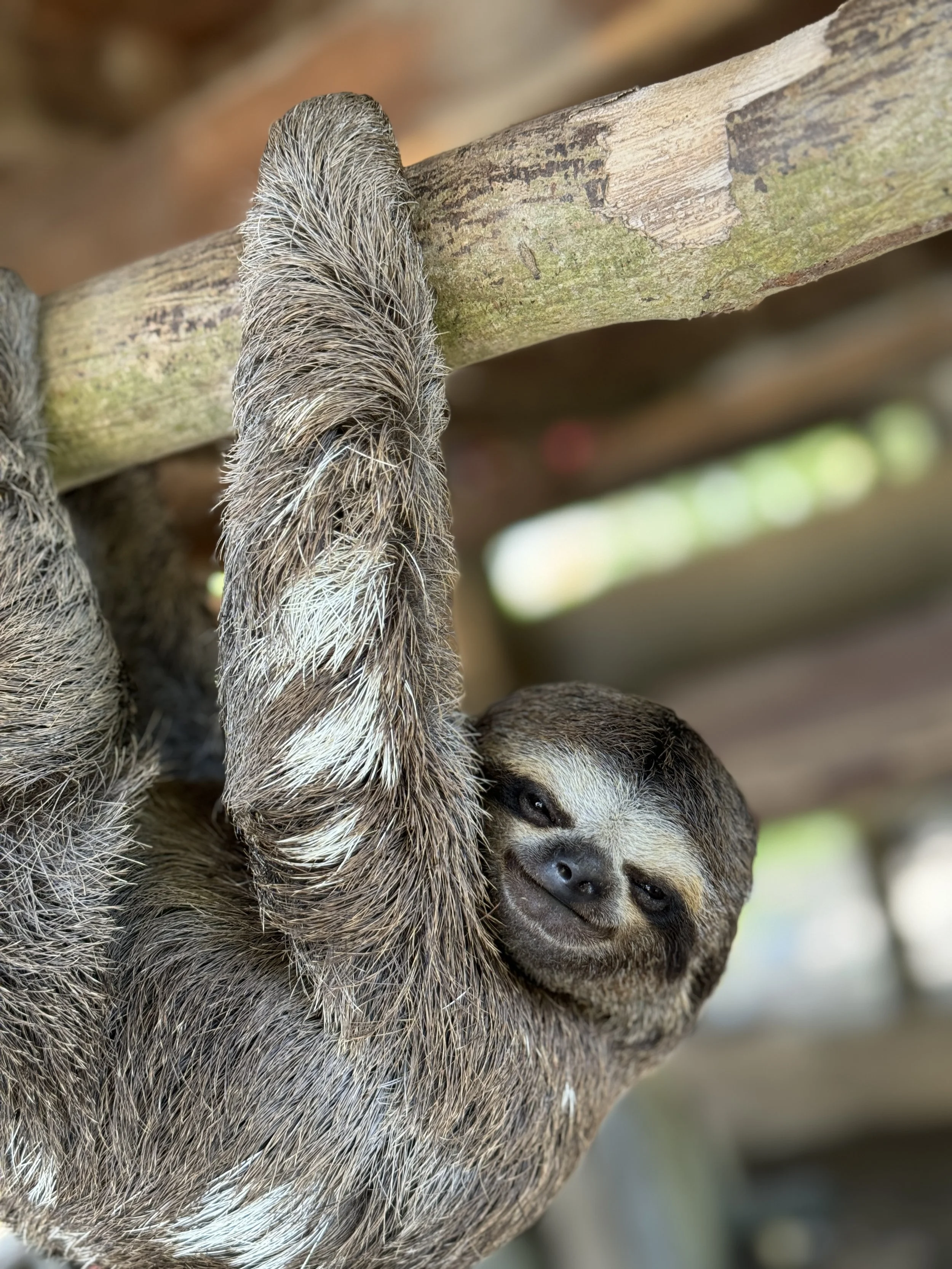
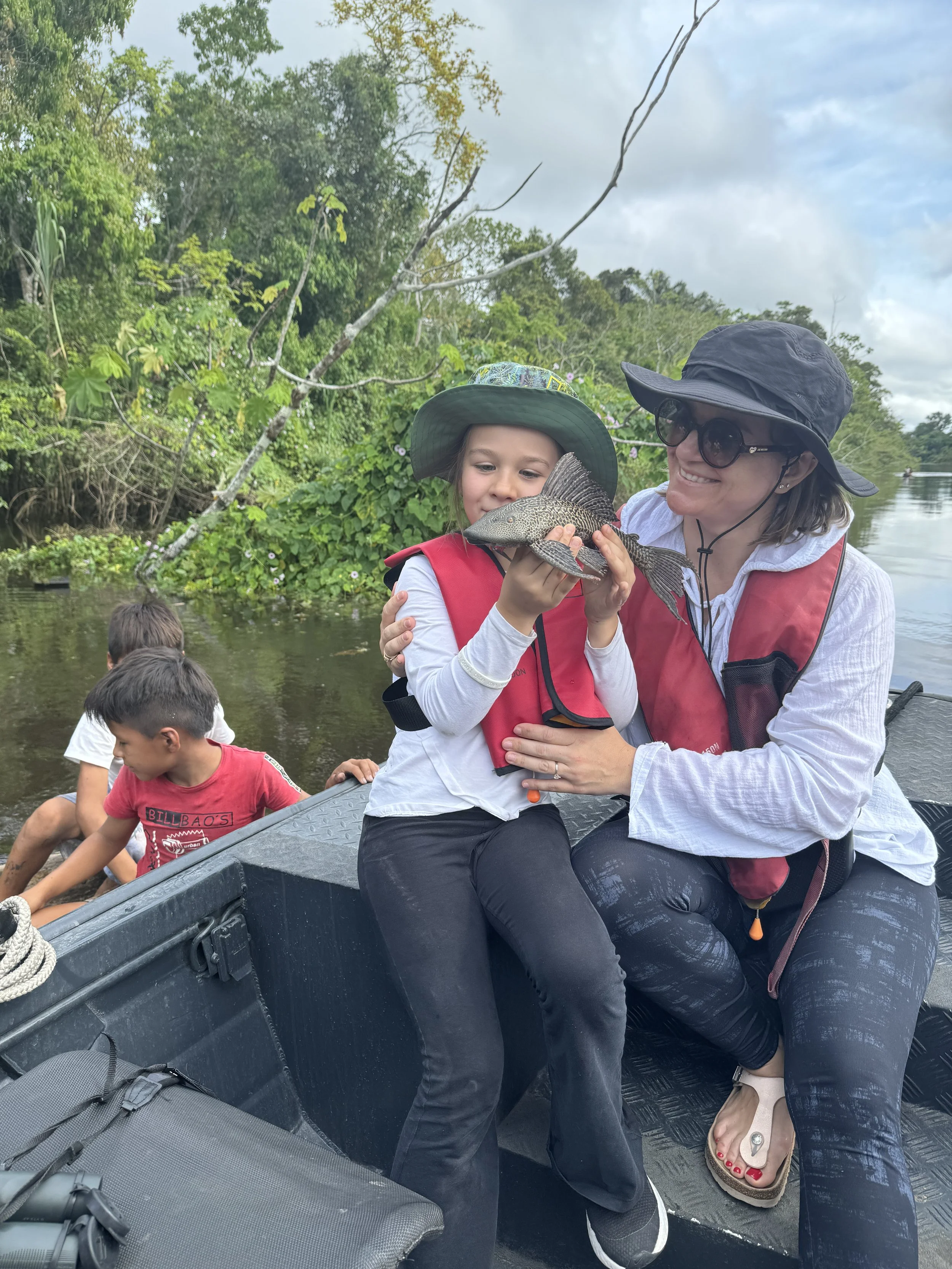
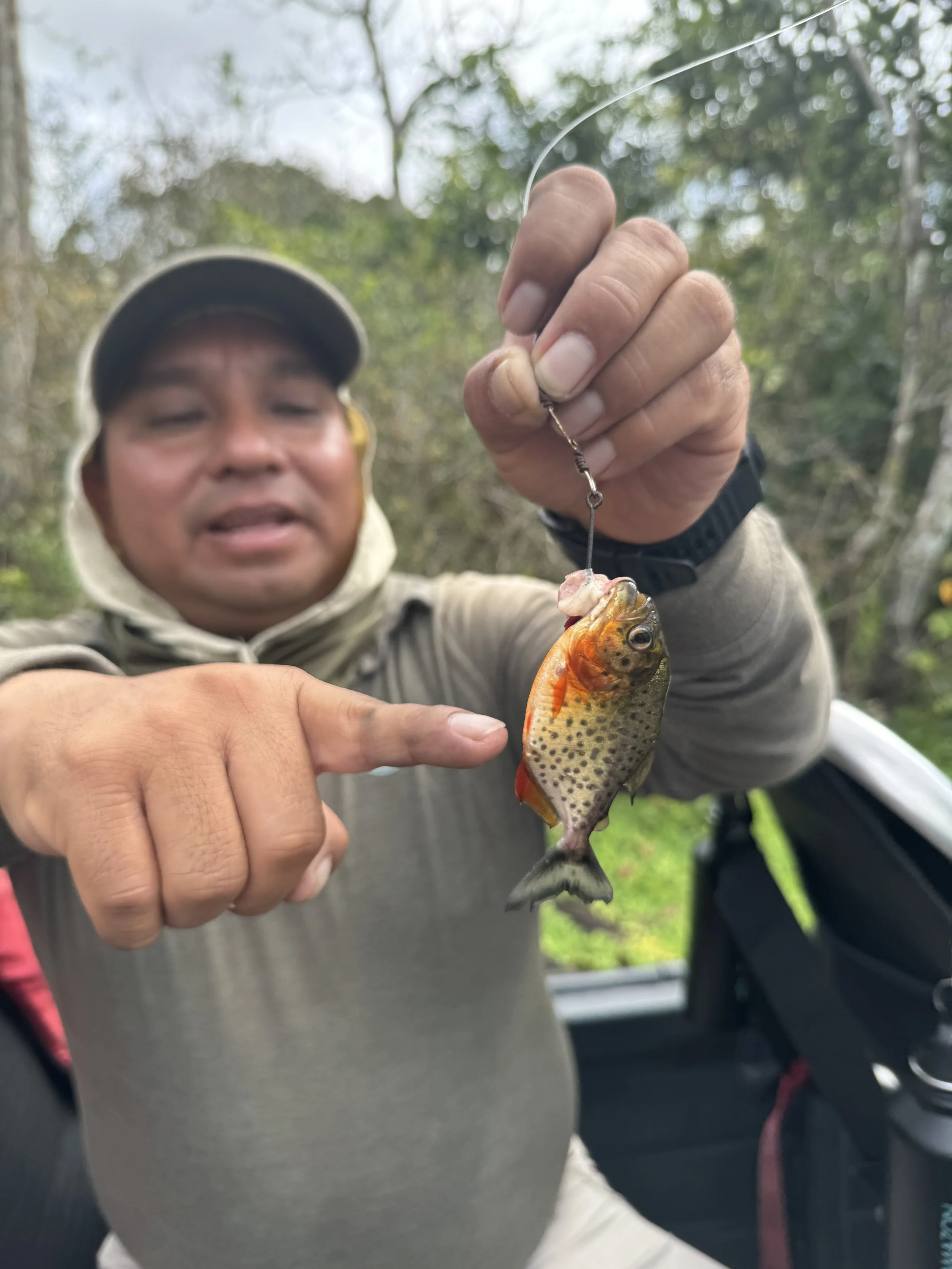
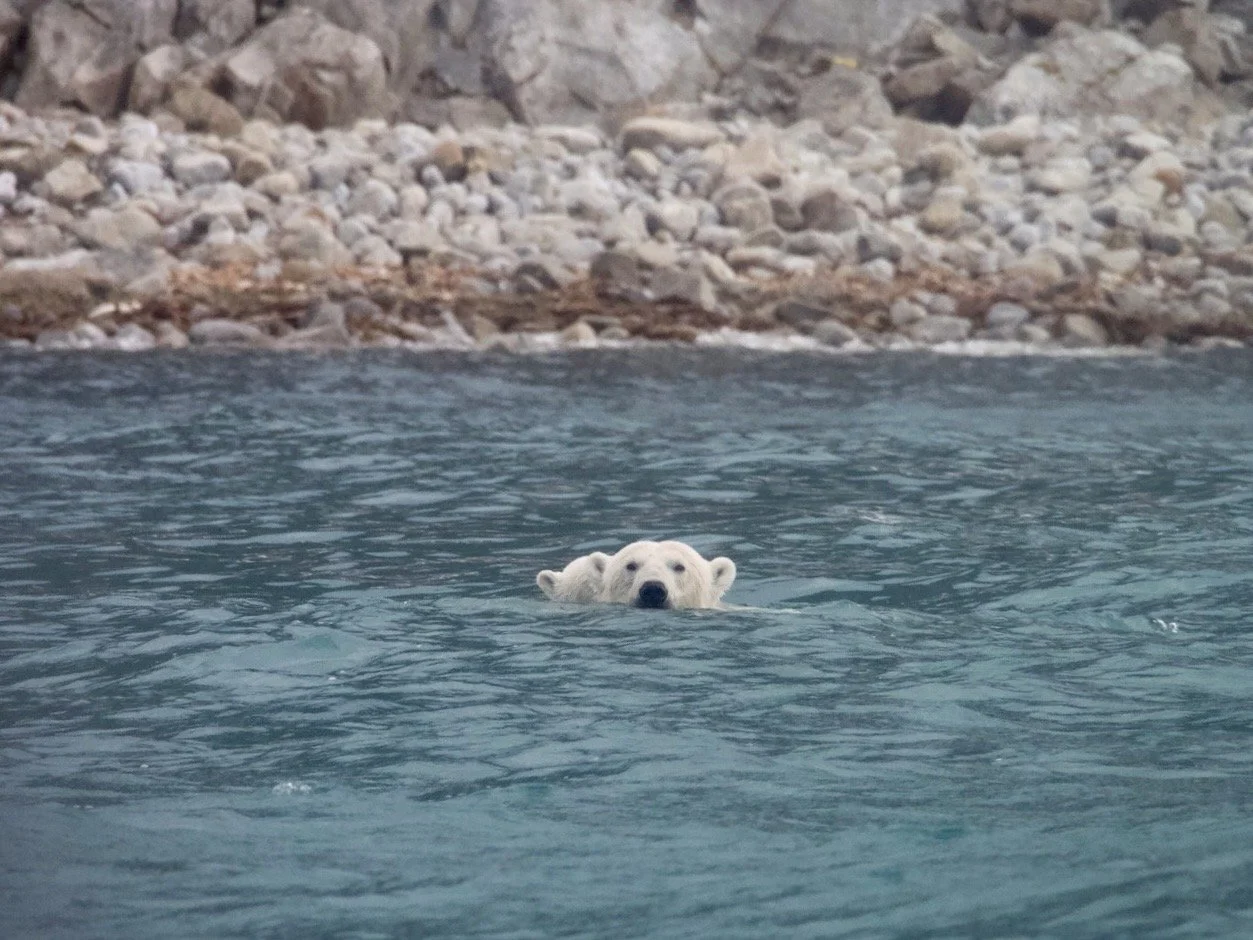
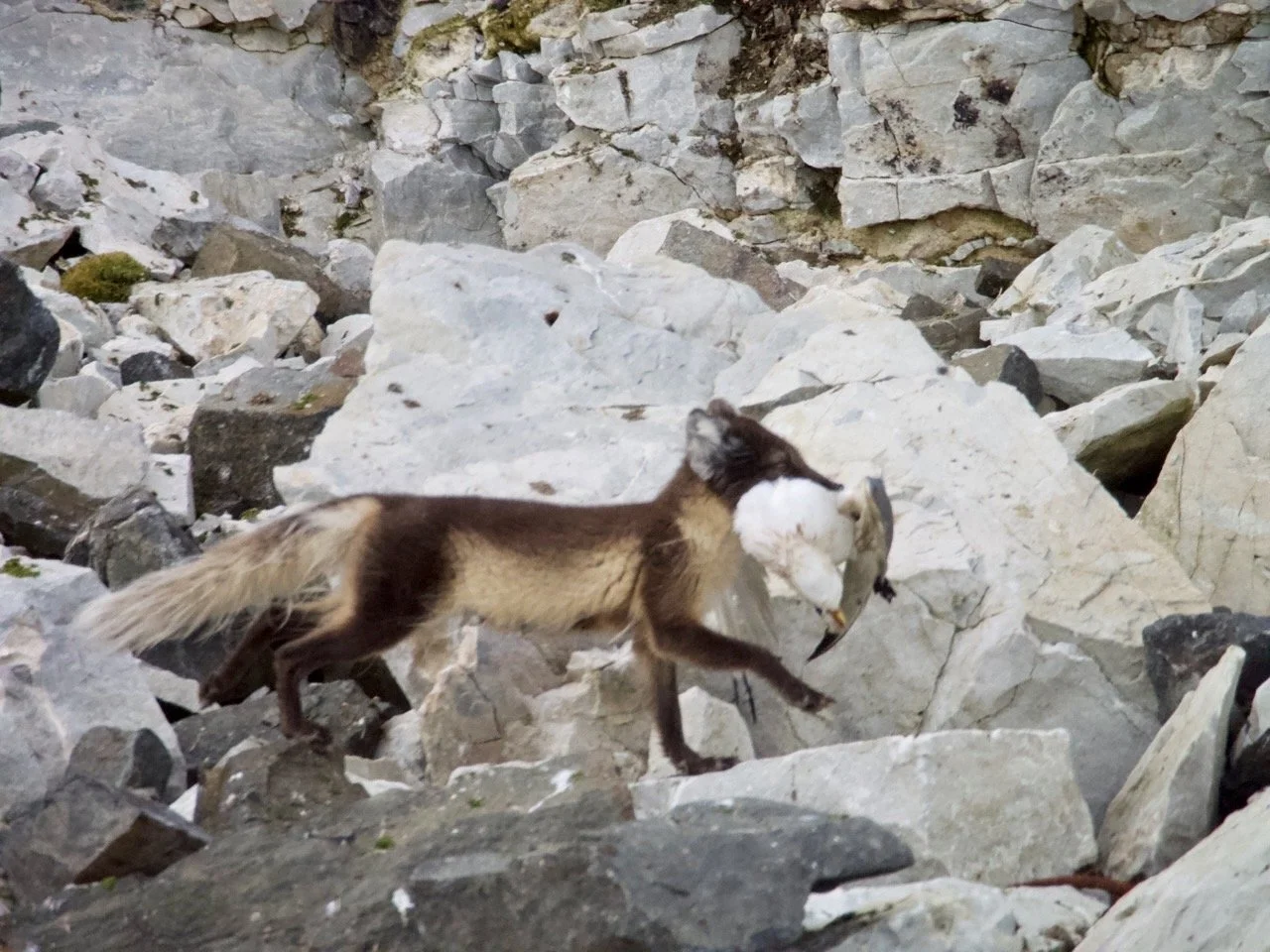
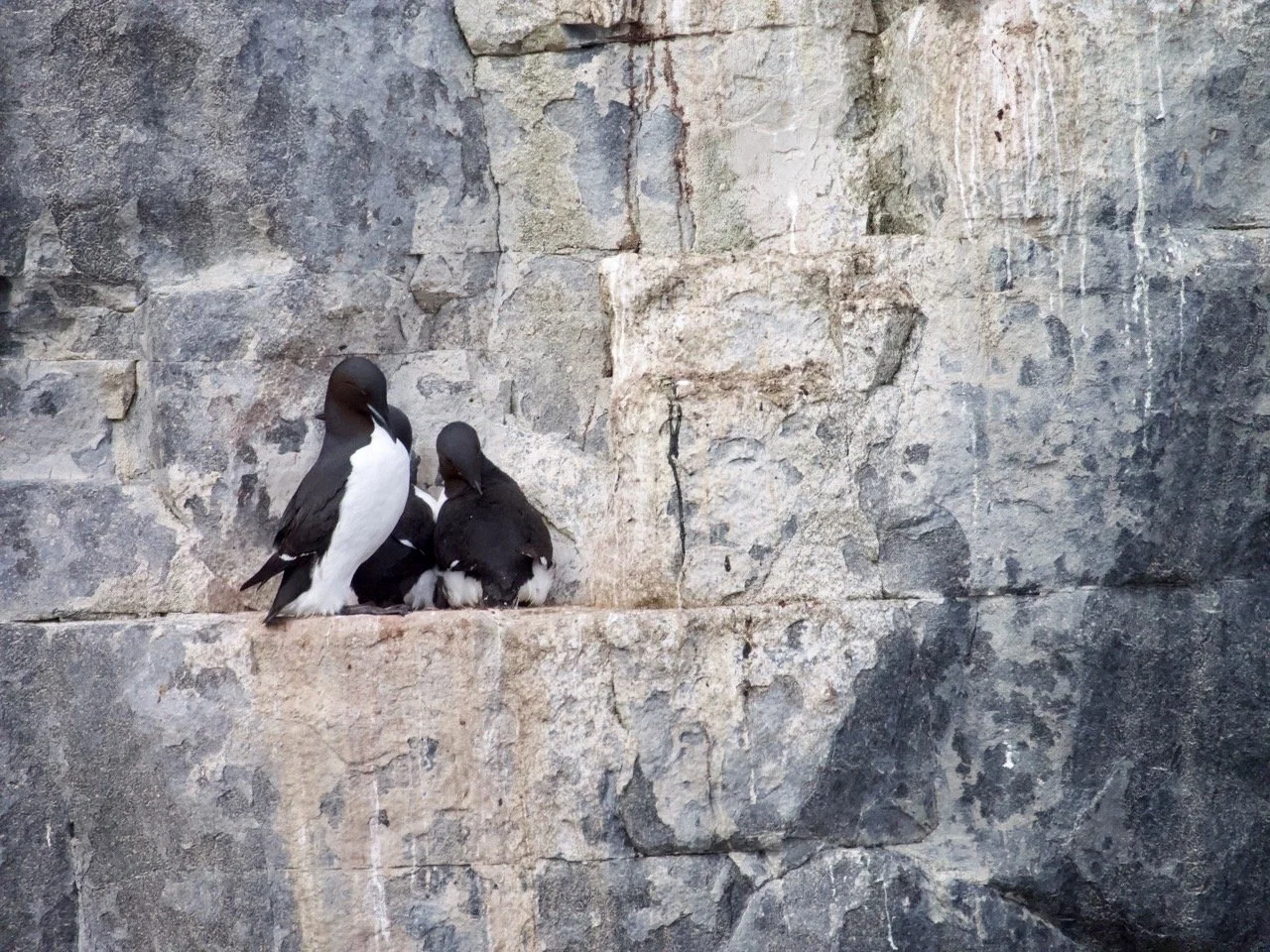
Not only, but wildlife is a big part of it. Penguins and whales in the polar regions. Sloths and piranha in the Amazon. Crocodiles, birdlife and ancient rock art in the Kimberley. Landscape matters just as much: sheer cliffs, tidal waterfalls, ice.
On my Kimberley voyage with Pearl Expeditions, Montgomery Reef, the King George River and Horizontal Falls were all highlights. But the moment that still gives me goosebumps? Waking up in Antarctica to icebergs drifting past my window. Pure joy.
Do I need to be fit?
You need to be reasonably mobile, but you don't need to be an athlete. Most landings involve getting in and out of a Zodiac, which means a step down, a steady hand from the crew and a bit of balance. The expedition staff take service and passion to the next level! Some outings are gentle walks, others are steeper hikes. Operators usually offer a choice, so you can pick your pace.
If mobility is a concern, tell me early. It changes which ships and itineraries I'd suggest.
Will I get seasick?
Possibly, in places like the Drake Passage on the way to Antarctica. This particular route can be rough, and no-one is immune. Many people feel fine, some don't, and it can vary from one crossing to the next.
Practical tips: speak to your doctor well before you travel, pack remedies and use them before you feel unwell, not after. Smaller ships feel more movement, but they also get you closer to the action. It's a trade-off.
What's the food and cabin situation like?
Better than people expect! Cabin sizes and finishes vary a lot, from compact and practical to full suites with private balconies. Dining is usually excellent, often showcasing local produce, but menus are smaller than on a mainstream cruise ship.
If you're a keen foodie or have dietary requirements, this is worth raising when we're choosing a ship.
Is it a luxury experience?
It can be, but it doesn't have to be. Expedition cruising covers everything from simple, adventure-focused ships to some seriously high-end vessels with fine dining, spas and butler service. The common thread is access, not glitz.
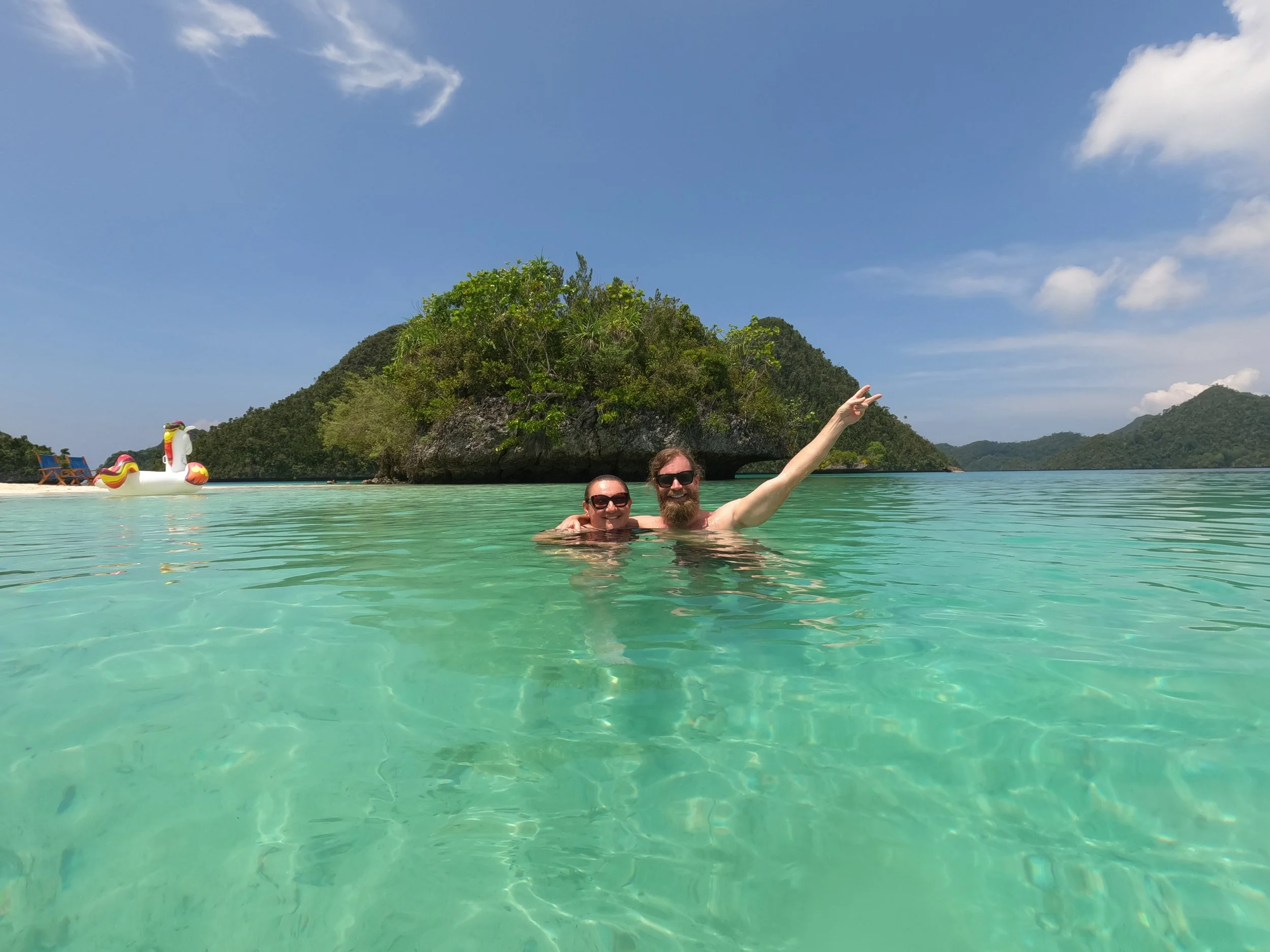
Having sailed with a mix of operators, I can tell you they each have their own personality. Rascal Voyages in Raja Ampat is intimate and exclusive, with just 10 passengers onboard. On the Paspaley Pearl in the Kimberley, a renowned chef serves up local style and produce. With Aqua Expeditions, the Amazon is all about the vast river and the peaceful jungle. That’s why I match the ship to the traveller, not the other way around.
When is the best time to go?
It depends entirely on the destination, and timing really matters.
Antarctica: the season runs roughly November to March. Early season means more snow and ice, later means more penguin chicks and whale sightings.
The Arctic: the northern summer months, roughly June to September, for Svalbard and Greenland.
Alaska: roughly May to September, with bears and salmon runs at their best in the height of summer.
The Kimberley: the cooler dry season, roughly April to September, is when most voyages run.
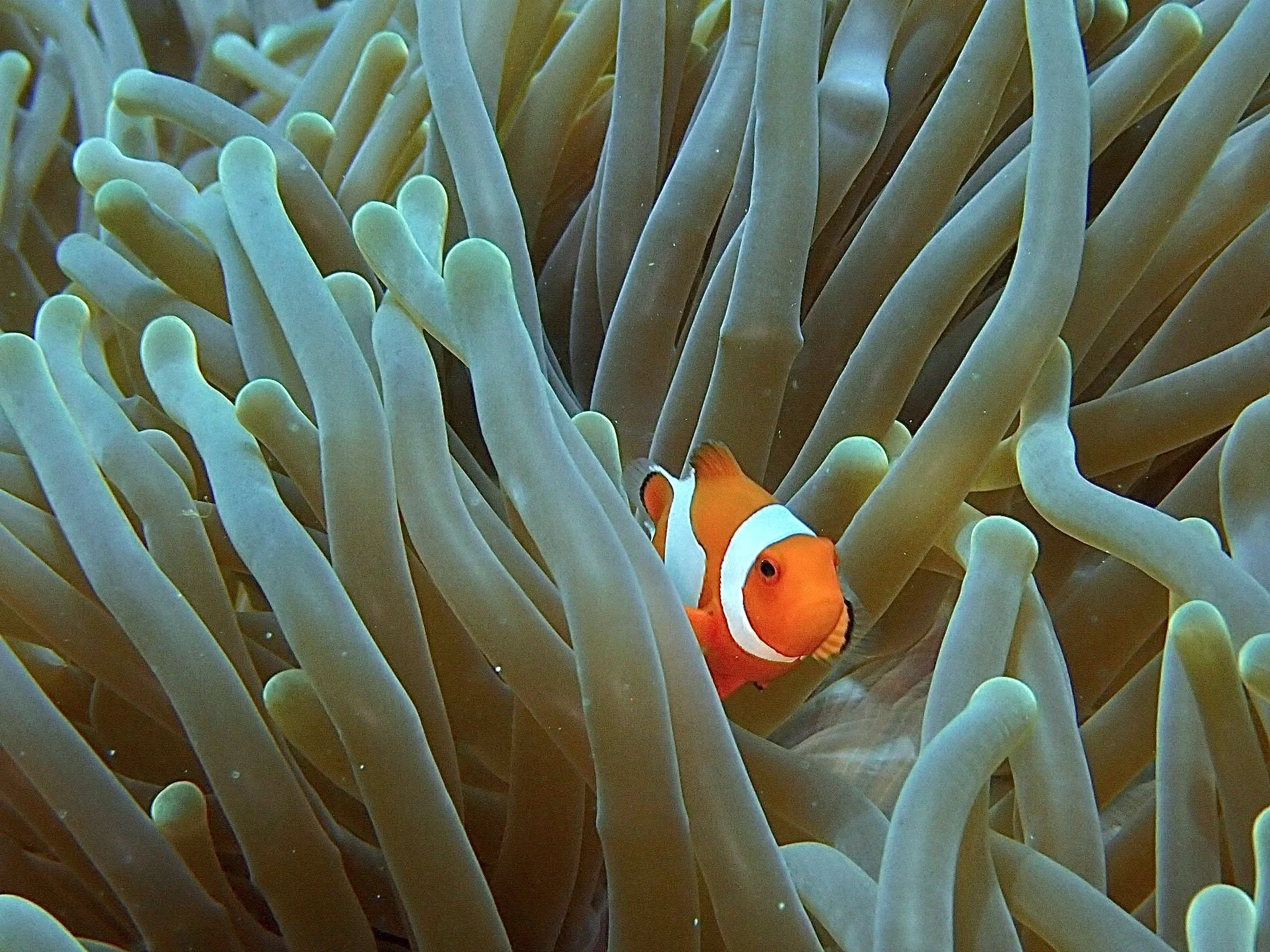
Raja Ampat: roughly October to April, when seas are calmer and conditions suit snorkelling and diving.
The Amazon: it comes down to the river. High water (roughly December to May) lets you glide through flooded forest by skiff, while low water (roughly June to November) opens up more walking trails and sandy beaches.
The Galapagos: it’s a year-round destination. June to December is cooler and dry, with active wildlife. December to May is warmer and greener, with calmer seas.
Patagonia and the Chilean fjords: roughly October to April.
Papua New Guinea and the Solomon Islands: the drier months, roughly May to October.
Each has quirks, so get in touch and I'll talk you through what suits your travel dates.
How far ahead should I book?
Earlier than you think. Cabins are limited on small ships, and the best itineraries and cabin categories sell out quickly. For Antarctica and other polar voyages, a year or more ahead isn't unusual. Last-minute deals do pop up, but you're taking a gamble on availability.
What should I pack?
Layers, layers, layers. Waterproof outer shells, warm mid-layers, good gloves and a hat. Many operators supply a parka or boots on polar voyages, so check before you buy anything expensive.
Heading somewhere warmer, like Raja Ampat, the Kimberley or the Amazon? Think lightweight, quick-dry clothing, a wide-brimmed hat, polarised sunglasses, reef-safe sunscreen and insect repellent. Long sleeves and light long pants are your friend for sun and bugs.
My non-negotiables, wherever you’re going? Sturdy, supportive shoes, because wet landings and uneven ground are part of the deal. And a wet bag for the Zodiac. Spray and splashes happen, and you’ll be glad your camera and phone stayed dry.
And bring a good camera, but don’t live behind it. Some of the best moments happen when you put it down.
Do I need special travel insurance?
Yes, and don't skimp here. You'll often be days from the nearest hospital, so medical cover and emergency evacuation are essential, and many operators require proof of both. Check the fine print on any policy, including whether it covers remote regions and the activities on your itinerary. If you're relying on card-based cover, read the exclusions carefully. I'm always happy to point you in the right direction.
Is it worth the money?
My honest answer: it’s not the most budget-friendly way to travel, and it isn’t for everyone. My first expedition came about because I chose adventure over playing it financially safe, and I’ve never once regretted it. I’ve now done it with several operators, in very different parts of the world, and I keep coming back. If you want to see places few people ever will, with guides who know them intimately, nothing else comes close.

Ready to start planning?
If you're curious about expedition cruising, even if you're not sure where to begin, get in touch. I'll help you work out the right destination, ship and timing, then look after the details end to end.